The call of the great outdoors is nearly impossible for a dog to resist. The symphony of unfamiliar scents, the texture of damp earth underfoot, and the freedom of a winding backcountry trail offer the ultimate form of canine enrichment. For dog owners, sharing these wild spaces with a four-legged companion is one of the deepest joys of pet ownership. However, stepping off the manicured lawns of suburban parks and into the wilderness introduces a completely different matrix of biological, environmental, and physical risks.
While nature provides an incredible playground, it also harbors hidden dangers that can quickly turn a memorable weekend trek into a life-threatening crisis. From microscopic pathogens lurking in crystalline mountain streams to venomous wildlife camouflaged in the brush, the backcountry requires a heightened level of vigilance. Protecting your dog in the wilderness isn’t about letting fear keep you indoors; it is about arming yourself with proactive strategies, behavioral control, and medical preparedness. By understanding the specific hazards of wild terrain and taking concrete steps to mitigate them, you can ensure that your adventures remain safe, exhilarating, and healthy for your best friend.
1. Pre-Trail Medical Shielding
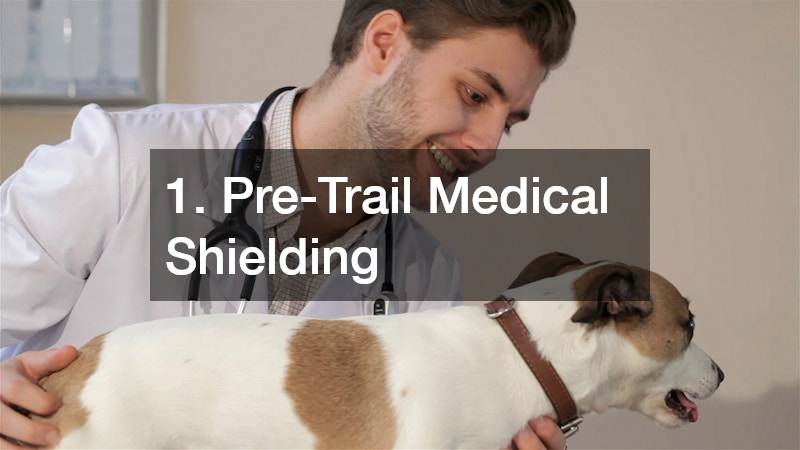
Long before you lace up your hiking boots or pack a single water bottle, your dog’s wilderness defense system must be built from the inside out. Many suburban dog owners assume that standard, routine medical care is sufficient for a weekend in the woods. The reality is that the backcountry exposes animals to a dense concentration of wild pathogens that rarely cross paths with a sidewalk-walking pet.
When a dog steps into the wilderness, they are entering the territory of deer, raccoons, coyotes, and rodents. These wild populations are vectors for diseases that can live in soil and water for extended periods. To properly safeguard your dog, a visit to your regular pet doctor is an essential first step. You should schedule a dedicated consultation to discuss your planned geographic destinations, as regional risks vary drastically.
Primary backcountry threats generally fall into a few major categories. Waterborne hazards include Leptospirosis, Giardia, and deadly blue-green algae blooms. Vector-borne diseases like Lyme disease, anaplasmosis, ehrlichia, and heartworm are transmitted by ticks and mosquitoes. Environmental dangers encompass jagged rocks, hidden foxtails, heatstroke, hypothermia, and poisonous fungi, while wildlife threats range from venomous snakes to porcupines and large predators.
During your pre-trip consultation, you must ensure your pet’s preventative medical profile is fully optimized for outdoor exposure. This involves evaluating the necessity of lifestyle-specific treatments:
- Leptospirosis: A bacterial infection spread through the urine of wildlife. It thrives in natural, stagnant water sources, puddles, and damp soil. If contracted, it can cause severe kidney and liver failure.
- Lyme Disease: Transferred via the bite of blacklegged ticks, which are extraordinarily prevalent in tall grasses and dense brush along wilderness trails.
- Bordetella and Canine Influenza: Essential if your dog will be interacting with other dogs on heavily trafficked public lands or if they frequently visit communal trailheads.
Ensuring your dog is current on pet vaccinations is the absolute foundation of trail safety. Beyond these immunizations, rigorous, year-round flea, tick, and heartworm preventative medications are non-negotiable. A single tick bite can transmit multiple debilitating coinfections, while a single mosquito bite can introduce deadly heartworm larvae. Your veterinarian can help you choose the most robust preventative option—whether oral or topical—and determine if additional regional defenses, such as a rattlesnake vaccine, are appropriate for your itinerary.
2. Scouting Your Route and Mapping Emergency Care
A successful wilderness trip is won or lost in the planning phase. Too many hikers pick a trail based solely on social media photographs or distance, failing to investigate the specific terrain, native flora, and local fauna that could compromise a dog’s health.
Different ecosystems present distinct physical challenges. Arid, rocky desert trails can tear apart unprotected paw pads and harbor venomous reptiles, while dense, humid northern forests present a higher density of blood-feeding parasites and toxic fungi. Before setting out, research the exact trail conditions through recent hiker forums and park ranger updates. Pay close attention to recent wildlife sightings, toxic blue-green algae blooms in local lakes, or aggressive tick population explosions.
Equally important is acknowledging the technical limitations of the wilderness. Cell phone service is notoriously unreliable or entirely nonexistent in deep valleys, dense forests, and mountainous zones. If an accident occurs miles deep into a trail, you cannot rely on a live internet search to find help. You must build an offline emergency medical map well before you arrive at the trailhead.
If an injury occurs while you are off the grid, you will need to quickly assess the severity of the situation. For minor issues like small cuts or embedded thorns, you can apply your portable first-aid kit and hike out safely at a normal pace. However, for major traumas like snakebites, deep lacerations, or heat exhaustion, you must evacuate immediately. In these critical moments, you should consult your pre-mapped route and drive directly to the nearest pre-identified facility that can handle acute trauma.
Before leaving home, locate, print, or download the exact coordinates, phone numbers, and physical driving directions for the closest medical facilities relative to your hiking zone. Specifically, look for:
- Trauma-Capable Facilities: Ensure the clinic handles acute trauma, envenomation, and wilderness-related poisonings.
- 24/7 Availability: Many rural practices have limited hours; you must identify the nearest local emergency vet that operates through the night.
- Emergency Distinctions: Knowing the location of an urgent veterinary care clinic can save precious minutes when dealing with lacerations, heat exhaustion, or sudden allergic reactions.
Keep this information in your vehicle’s glove box and a copy inside your backpack’s first-aid kit. If your dog suffers a deep laceration from a sharp rock or ingests a toxic wild mushroom, having a predetermined destination eliminates panic and ensures you can transport your dog to medical professionals without a moment of wasted time.
3. Master the Trail Mindset: Off-Leash Safety and Commands
The wilderness is a sensory overload for a dog, triggering primal hunting, chasing, and foraging instincts. While it is tempting to unclip the leash and let your dog run free, doing so without absolute behavioral control invites severe physical trauma and illness.
An untrained dog running off-leash faces immediate, hidden dangers. They may bolt after a deer, straight into a patch of razor-sharp foxtails—grasses with barbed seeds that can burrow into eyes, ears, paws, and lungs, requiring surgical removal. They may corner a porcupine, resulting in a face full of painful quills, or surprise a venomous snake warming itself on a rock. Furthermore, a dog out of sight is highly likely to indulge in scavenging, consuming decomposed animal carcasses or highly toxic wild mushrooms that cause rapid hepatic failure.
Before your dog ever sets foot on a wild trail, they need to possess impeccable behavioral responses. This is where professional dog obedience training pays massive dividends. Trail safety relies heavily on several life-saving commands:
- The Emergency Recall: Your dog must instantly stop whatever they are doing and return directly to your side when called, regardless of a darting rabbit or an enticing scent. This stops them from chasing wildlife or running over unstable cliffs.
- The “Leave It” Command: This command must be so well-grained that your dog will immediately drop or avert their attention from a dead animal, a strange plant, or a defensive snake on the path, preventing the ingestion of toxins.
- The “Wait” or “Stay” Command: Essential for holding your dog back at dangerous ledges, unstable scree fields, or swift water crossings until you can assess the safety of the path.
- The “Heel” Command: Keeps your dog in a tight, controlled position immediately next to your leg, which is crucial when navigating narrow trails or safely passing other hikers and horses.
When you are deep in nature, you are far removed from standard emergency infrastructure, and your dog relies entirely on your voice to stay out of harm’s way. If your dog’s impulse control is questionable or if they have an intense prey drive, they are not a candidate for off-leash exploration.
In those cases, utilize a fixed six-foot leash or a sturdy long-line that allows freedom without sacrificing physical control. Every animal vet will tell you that a significant percentage of wilderness trauma cases could have been entirely prevented by the simple application of a physical tether. Protect your dog by prioritizing absolute control over temporary freedom.
4. Trail Hygiene and Environmental Responsibility
Protecting your dog in the wilderness also means protecting the wilderness from your dog. The health of the natural ecosystem and the health of your pet are inextricably linked. When domestic dogs disrupt wild spaces, they create a cyclical biological hazard that can ultimately loop back to infect them or other companion animals.
One of the most critical elements of trail hygiene revolves around waste management. There is a persistent, harmful myth among some outdoor enthusiasts that dog feces are natural and can simply be left in the woods to decompose like wildlife waste. This assumption is completely false. Domestic dogs consume highly processed, commercial diets laden with nutrients and organisms that do not belong in the backcountry ecosystem.
More importantly, unmanaged waste is a primary vector for severe parasite transmission. Dog feces can introduce a host of microscopic hazards into the environment:
- Parvovirus: A highly resilient virus that can survive in soil for years, waiting to infect the next unvaccinated puppy that sniffs the ground.
- Intestinal Parasites: Giardia cysts, hookworms, roundworms, and whipworms are shed in massive numbers through infected feces.
- Water Contamination: Rainwater washes these organisms directly into pristine mountain streams, rivers, and lakes, contaminating the very water supply that you, wild animals, and other dogs rely on for hydration.
Practicing diligent pet waste removal is a foundational requirement of outdoor ethics and preventive health. Always carry heavy-duty, puncture-resistant waste bags and a dedicated, smell-proof container to pack the waste out with you.
Never bury dog waste near water sources or trails. Local veterinarians frequently report spikes in severe gastrointestinal illnesses in pets right after major holiday weekends, directly correlating to heavily trafficked, poorly maintained trail systems where waste was left behind. By keeping the trails clean, you actively break the chain of parasitic infection.
5. Post-Hike Decontamination and Home Security
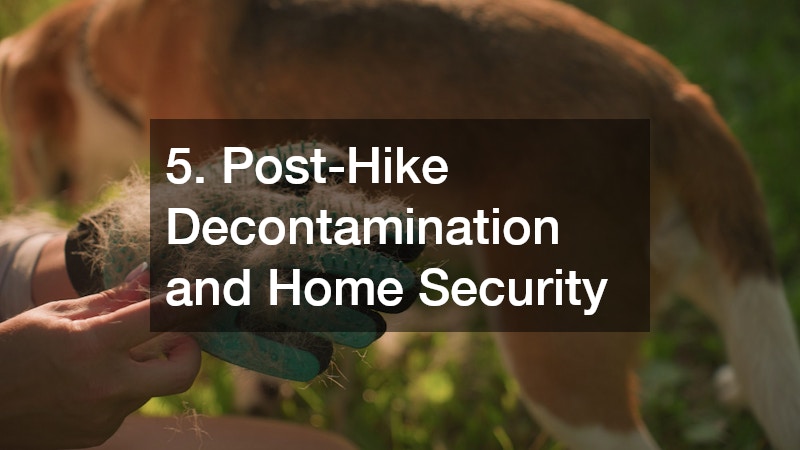
The journey does not end when you return to your vehicle or arrive back home. The final defense against wilderness health hazards is a meticulous, physical inspection of your dog’s body, followed by securing your domestic environment to prevent lingering trail dangers from taking root in your daily life.
As soon as you reach the trailhead parking lot, perform a rigorous, systematic physical inspection. Do not wait until you get home, as ticks can quickly migrate from your dog’s fur to your vehicle’s upholstery or deeper into your dog’s skin.
You should establish a routine that moves carefully across your dog’s entire body. Start at the nose and ears, then check thoroughly underneath the collar or harness. Move down to the armpits and groin, check the tight spaces between every single toe, inspect the entire length of the tail, and look for any hidden plant burrs or sharp debris caught in the coat.
Use your fingers like a comb to feel through your dog’s coat, pressing down to the skin level. Look closely for embedded ticks, embedded plant burrs, or small lacerations from sharp brush. Use a damp cloth to wipe down your dog’s belly and legs to remove irritating pollen, sap, or invisible oils from toxic plants like poison ivy, poison oak, or poison sumac. While dogs are generally resilient to the irritating rashes these plants cause in humans, they can easily transfer the toxic oils from their fur directly to your skin during a post-hike cuddle.
Once home, consider how your wilderness hobbies interact with your home setup. If you live near open spaces, greenbelts, or wooded areas, wild hazards can easily cross over into your backyard. Ticks, mice, raccoons, and even larger predators can breach a weak home perimeter, turning your yard into a danger zone.
Investing in a sturdy, deeply anchored physical boundary installed by a reputable local fencing company can keep wildlife out and ensure your dog doesn’t escape into adjacent wild lands when unsupervised. Additionally, if your wilderness travels take you on rugged, multi-day excursions where your dog cannot safely accompany you due to extreme weather or hazardous terrain, arrange for premium dog boarding at a highly rated, secure facility. This keeps your pet completely insulated from backcountry risks, giving you total peace of mind while you explore the rugged trails.
Conclusion
By fortifying your dog’s immune system well in advance, meticulously mapping out emergency care routes, establishing rock-solid behavioral boundaries, and practicing strict trail hygiene, you effectively eliminate the vast majority of outdoor risks. A safe backcountry excursion is the direct result of deliberate preparation. When you take the time to insulate your dog from microscopic pathogens, environmental extremes, and wildlife encounters, you ensure that every journey into the wilderness ends exactly the way it should: with a tired, happy, and perfectly healthy dog resting peacefully at your feet.